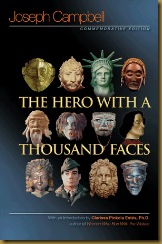
Joseph Campbell was born in 1903, a year after Jung graduated and published his thesis. Campbell got a Master’s from Columbia University in literature in 1927. During his time there, he had the chance to study in Europe. When he came back, the depression had hit. With no job prospects, he rented a cheap house in Woodstock, New York and began reading for nine hours a day. In his reading, he noticed the recurrence of similar patterns in stories, in images, in religions, etc. This closely paralleled Jung’s ideas of archetypes. The title of one book by Campbell is The Hero with a Thousand Faces, showing how there is an archetype of the hero’s story, be it Scheherazade, Jesus, Buddha, Mohammed, Beowulf, The Three Musketeers, or Luke Skywalker. By relating archetypes to common stories, images, and religions, Campbell brought Jung’s ideas to a broader audience. Bill Moyers’s interviews with Campbell on PBS in the late 1980s became one of the most viewed series at that time. 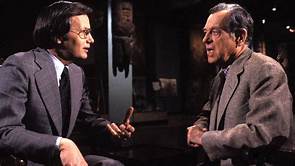
Campbell also argued that many mythological stories were like guides, prescriptions for living. Similarly, archetypes help you when needed or activated as “systems of readiness for action, and at the same time images and emotions.” Campbell described religious fundamentalists as getting caught in the prose and not the poetry of religious writings. To believe that Jesus rose from the dead, Mary had a virgin birth, etc., is to ask the impossible in a scientific era. Instead, one should focus on the metaphor involved with such stories.

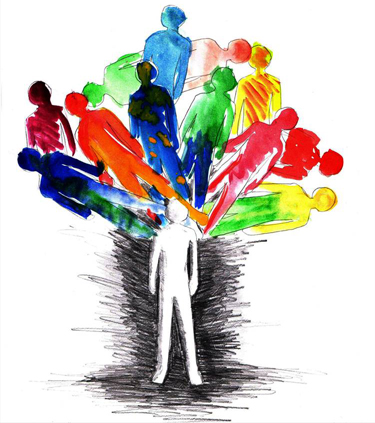 If you read the article linked above on the word “article,” you will see that the scientists proposed the theory that each of us (and literally everything) is a separate personality of the universal consciousness.


 Peter Pan, who escapes into a fantasyland;
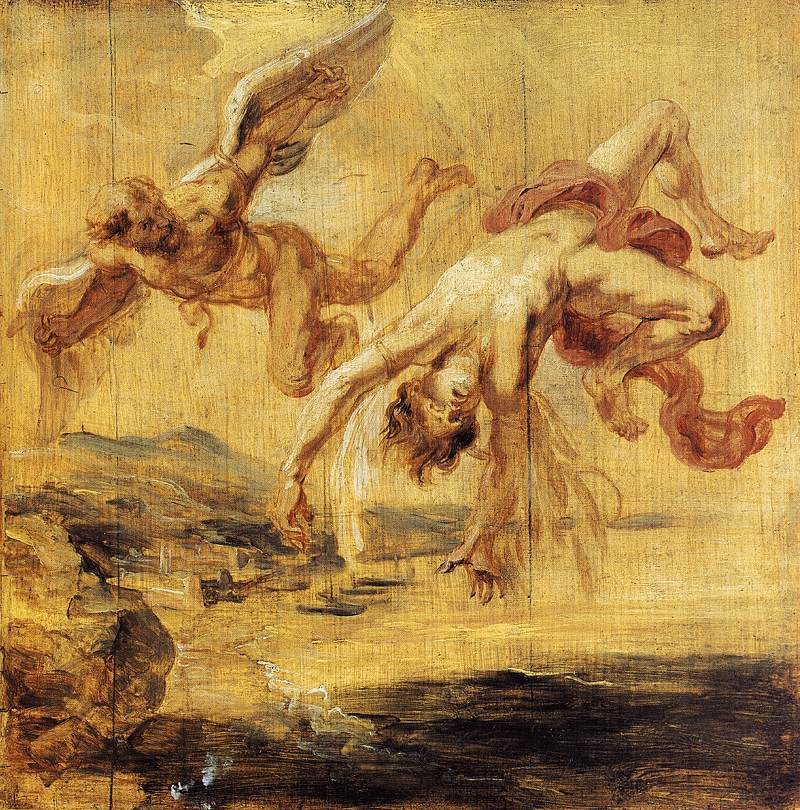
  Icarus, who was warned not to fly too close to the sun with his feather wings held together with wax, but did and fell;
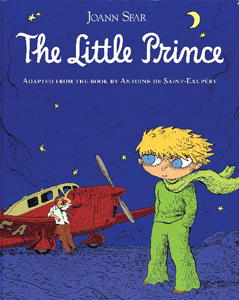
  the Little Prince, who lives on a distant planet and meets an aviator;
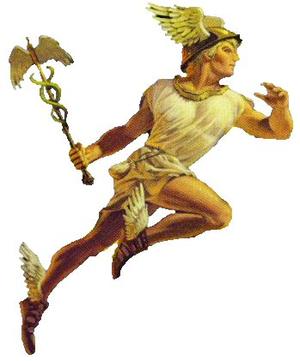
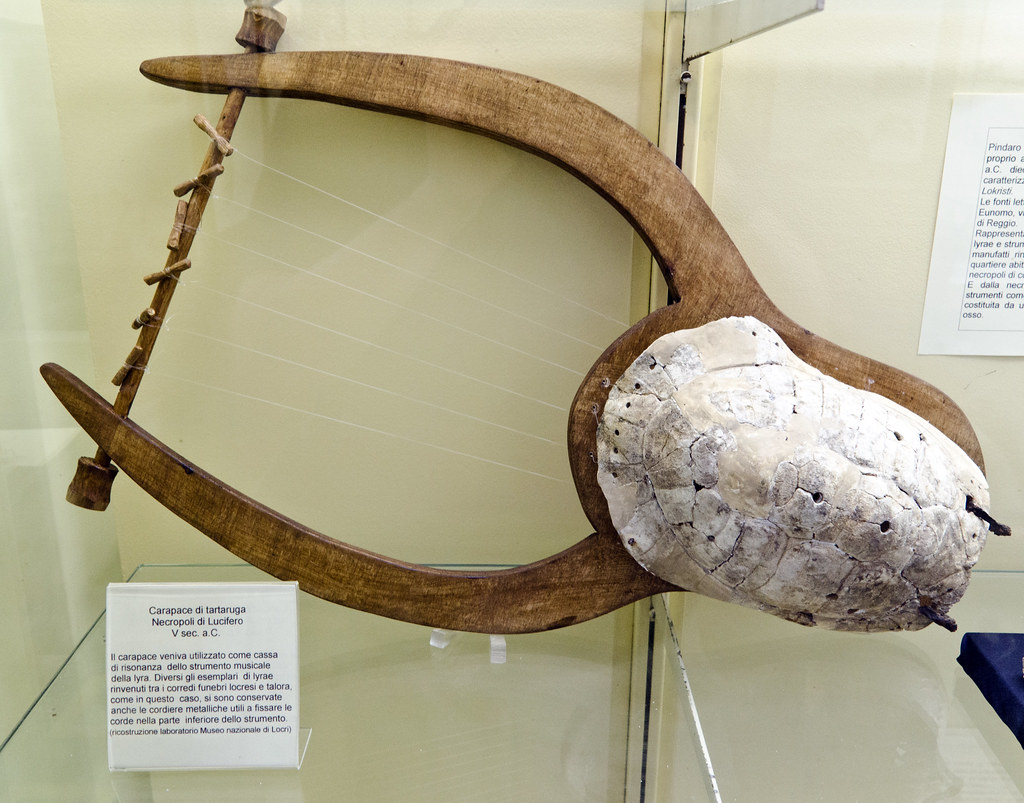
  etc. In its positive aspects, the puer is able to create lots of new things and helps in transformations of other people and things into new manifestations. Hermes invented the lyre (forerunner of guitars) out of a turtle.
  The archetype is also the messenger of the gods or bridge to God (psychopomp). Hermes/Mercury also has a symbol associated with the healing arts and with commerce: the caduceus, a staff entwined by two snakes.
  He happened upon two snakes fighting or copulating (depending on the version) and separated them with a staff, then rejoined them with the staff. So he was associated with healing and bringing peace and also with ambiguous sexual identity.